Table Of Content
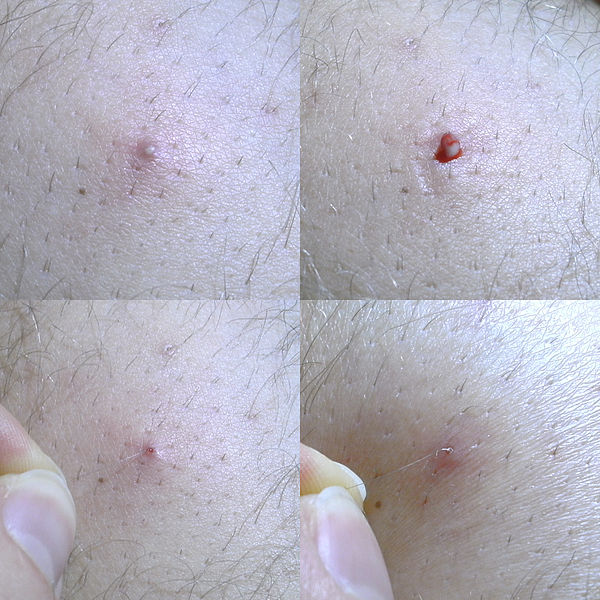
"Sometimes ingrown hairs can lead to superficial skin infections, and you might need an antibiotic." Ingrown hair cysts are small, fluid-filled sacs of tissue on the skin. They form around a piece of hair that is growing into the skin instead of out of it. Treatment for ingrown pubic hair cysts or ingrown hair cysts anywhere else on the body is usually not necessary unless the cyst becomes infected. Ingrown hairs are less than ideal for anyone who takes the time to remove hair from their body. The problem, of course, is that they can be especially painful.
What tests will be done to diagnose a vaginal boil?
Hypotrichosis of the pubis, a condition that causes pubic hair loss, can also be treated with hair follicle grafts. A skin tag (medically known as an acrochordon) is a small, harmless growth that is usually the same color as your skin, according to the Cleveland Clinic12. It usually looks like a little ball of skin on a tiny stem, but can sometimes look like a raised mole or wart. Most skin tags are tiny—usually only between 1 and 5 millimeters—but they can grow bigger.
How long does it take for a vaginal boil to go away on its own?

It usually happens when the bacteria Staphylococcus aureus (commonly called staph) infects the sacs that contain the roots of your hair and oil glands (hair follicles). When a hair follicle becomes infected it is called folliculitis. A vaginal boil can also develop from a cut in the skin from shaving with a razor or other injury to the area.
When should you see a health care provider about ingrown pubic hair?
The good news is that syphilis can usually be cured with medication as long as it’s treated early. If not, it can lead to serious problems like brain damage, paralysis, and blindness, according to Planned Parenthood10. You can develop pimples on your vulva, just like you can get acne on other parts of your body. “It’s not as common as getting pimples on your face, but it can happen,” Dr. Greves says.
Skin cysts are not usually dangerous, and may go away on their own within 7–10 days. Over time, a bump, usually just one, may get bigger and form a cyst. If you can correctly identify the cause of the itch and the treatment is available over-the-counter, you can likely treat yourself at home. According to the UK-based National Eczema Society, eczema can be found on the vulva, as well as around the opening of the anus and the skin between your cheeks.
Find more top doctors on
Once the tip of the hair is out of the skin, avoid plucking it. To buy retinoids, you’ll need a prescription from your health care provider. The product is not recommended if you’re pregnant as it can be dangerous to the baby. Some health experts recommend retinoids, which are derived from vitamin A, as a cure for many skin problems. Retinoids can help exfoliate your skin cells and clear up dark skin patches. Once the tip of the hair is out of the skin, use the tweezers to carefully pluck the hair and remove it.
If you choose waxing or sugaring, go to a licensed professional with lots of experience. Watch that they follow hygiene practices (no double-dipping with the applicator, for example). If you’re worried about the pain, it’s OK to take an over-the-counter pain reliever before you go. But don’t apply numbing cream to your skin beforehand—if you get burned, you want to be able to feel it. The signs of an infection include a darkening of the skin, swelling, redness, and painful bumps filled with pus.
What Causes an Ingrown Pubic Hair and How to Treat It

Ingrown pubic hairs are most frequently caused by hair removal in the area, Dr. Greves says. Fur Oil is specially-formulated for exactly this purpose. It conditions the hair and skin with a blend of soothing oils, so you’re less likely to experience irritation.
What happens if an infected ingrown hair goes untreated?
Otherwise, if you must shave, do so with a new, clean razor and shave in the direction of hair growth. That can be due in part to infections of the vagina and vulva (more on this in a minute), which can make the entire pubic hair area itchy. The most important part of treating an ingrown hair is not to irritate it. Do not pluck, pick, squeeze or pop an ingrown hair pustule, which may cause an infection. In the case of stubborn skin tags, warts, and molluscum contagiosum, your doctor may be your best bet. Dr. Dweck says there are tons of methods—from surgical removal to laser treatment—that can help treat some of these issues.
Itchy pubic hair is common and is often easily treatable. Common causes include rash burn, contact dermatitis, jock itch, pubic lice, scabies, yeast infection, psoriasis, eczema, and folliculitis. See a healthcare provider if the itching is severe, painful, persistent, or worsening. First things first, don't go digging at it with sharp tweezers and dousing it in rubbing alcohol. But this home remedy can do more harm than good, as it increases your chances of developing an infection and create more inflammation, she adds.
As the name suggests, laser hair removal uses lasers to destroy hair at the follicle. This is the most expensive hair removal option, requiring several sessions with a licensed professional. They customize the type of laser depending on the color of your skin and your hair.
Once the hair is out, make sure to wear loose, cotton underwear until the wound is totally healed. Thankfully, there is a way to treat and prevent these irritating skin issues. Woman's Day talked to a number of dermatologists to figure out what to do about ingrown pubic hair.
I’m not a big fan of shaving your pubic hair because it can hurt sensitive skin, leading to rashes, ingrown hairs, and infection. If you choose to shave, use a new, clean razor every time, as used razors can carry bacteria. It’s best to shave in the direction of hair growth if you can, but that can be hard to tell. It’s common for pubic hair to grow in multiple directions. Avoid squeezing ingrown pubic hair cysts, as it can damage the skin and increase the risk of scarring. It also increases the chance of bacteria entering the wound and causing infection.
“Normal” is a tricky word, she explains, because your normal may look completely different compared to someone else’s normal. For example, if you’ve had a skin tag on your labia your whole life, that may be normal for you, but not for someone else. In general, Dr. Greves says that you should get any new, unusual, or persistent bumps near your vagina checked out by your ob-gyn, just to be safe. If intertrigo causes an infection, there may be tender, pus-filled bumps on the skin along with fever and a foul smell. Intertrigo is a common inflammatory skin condition caused when skin folds rub together.
Consistently wearing tight clothes can trap things like moisture, bacteria, and sweat up against your labia, where it can clog your pores and irritate your skin, Dr. Greves says. Wearing looser clothes and breathable fabrics like cotton around your vaginal region can let the area breathe a little more, reducing your chance of clogged pores. There is no one-size-fits-all treatment for bumps near the vagina, but there are certain steps you can take depending on what the underlying cause of your lumps may be. “This could happen with something as simple as changing your laundry detergent,” Dr. Greves adds. “It’s your body’s way of reacting and saying, ‘I don’t like this.’” If you suspect something caused a reaction, try eliminating that item from your routine to see if your skin clears up. If you have trouble figuring out the source, see your dermatologist, who can rule out other causes and will likely recommend skin patch testing if the problem becomes chronic.
Pubic Hair: Exploring The Pros And Cons - Giddy
Pubic Hair: Exploring The Pros And Cons.
Posted: Fri, 14 Jul 2023 07:00:00 GMT [source]
You can still chat with a dermatologist via telemedicine about what treatment options might be right for you in the future. If your symptoms don’t improve, your healthcare provider may need to prescribe medications that decrease inflammation and improve infections. You’re also more likely to have ingrown hair if you have skin of color or thick, coarse or curly hair. Waxing and sugaring remove the hair from the follicle, which is why the results can last so much longer than shaving.




No comments:
Post a Comment